The dinner table, without the fear
Most dining anxiety comes from five small moments. Here is what to do in each of them, so you can spend the evening on the conversation instead.
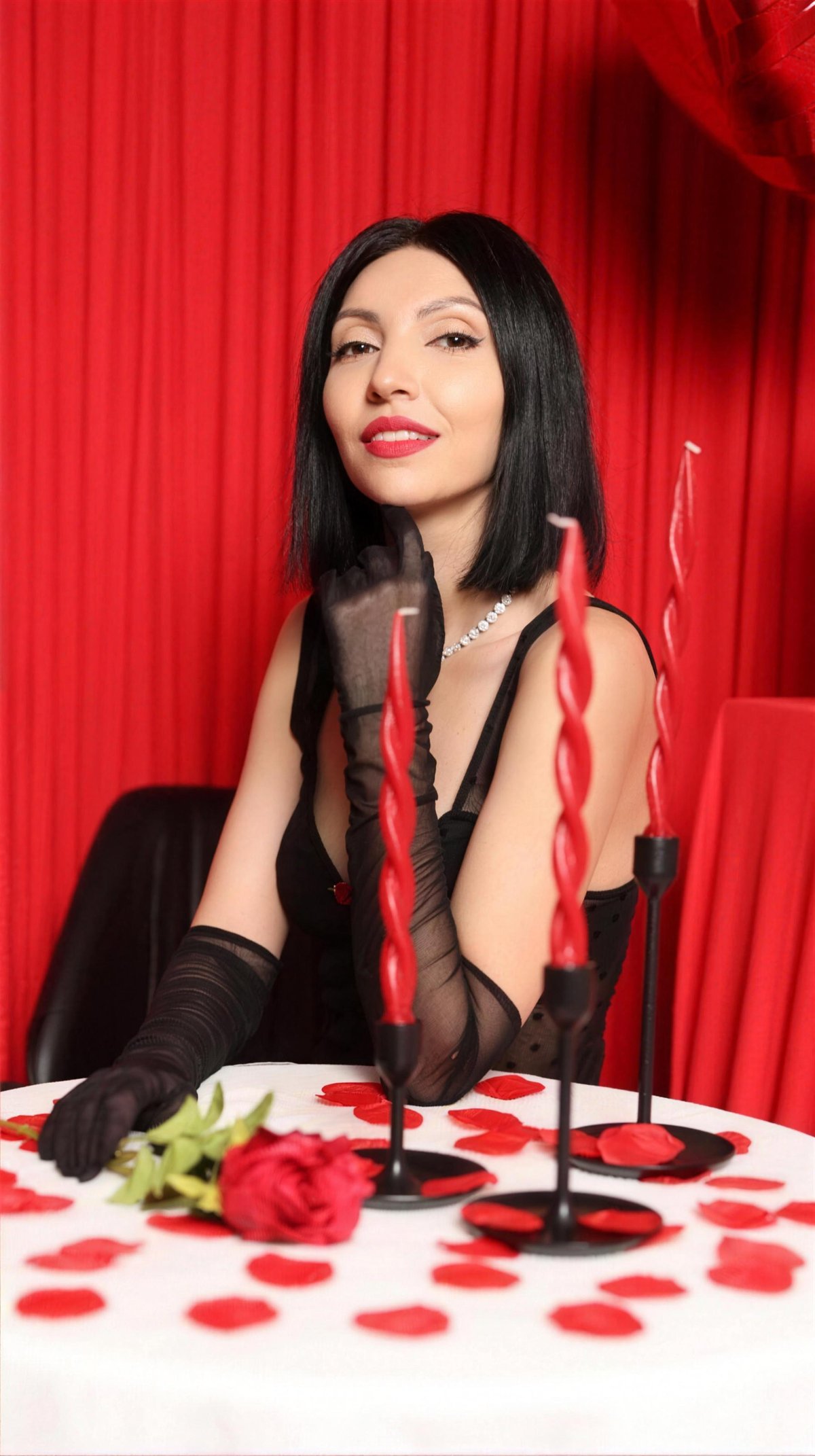
Nobody is watching your fork as closely as you think. What people notice is whether you seem at ease. The good news is that ease at a table is not a talent. It is a handful of decisions you make once, in advance, so that you never have to make them under pressure again.
Before you sit
Wait for the host to sit or to invite you to. If there are place cards, they are a gift: someone has already decided where you belong. Approach your chair from the left where you can, sit from the side rather than the front, and slide in without dragging the chair across the floor.
Your hands
This is the moment most people dread, and it has the simplest answer. When you are not eating, your hands rest lightly in your lap or, in a more relaxed setting, your wrists rest on the table's edge. Not your elbows. Not your phone. Once you have decided where your hands live, they stop being a problem.
The napkin
Unfold it in your lap as soon as everyone is seated, folded in half with the fold toward you. Dab, never wipe. If you leave the table during the meal, place it loosely on your chair. At the end, place it loosely to the left of your plate. Never refold it neatly; that signals you want to reuse it.
Cutlery, outside in
Use the outermost pieces first and work inward with each course. The small fork and spoon above the plate are for dessert. If you pick up the wrong one, keep going; nobody will say a word, and the staff will replace it. Between bites, rest your knife and fork on the plate, not the tablecloth. When you are finished, place them together on the plate at roughly the four o'clock position. That is the whole language of cutlery, and it is understood everywhere.
Talking
The table is for conversation, and conversation has two rules: ask, and listen. Turn toward the person speaking. Keep your voice at the volume of the person beside you. Compliment the food to the host, not the guests. And if a topic goes somewhere uncomfortable, the graceful move is not a rebuttal but a question that opens a new door.
The exit
Leave the table when the host does, or ask to be excused. Thank the host on the way out and again the next day, briefly and in writing. That second thank-you is the one people remember.
None of this takes talent. It takes one evening of practice at a real table, with someone correcting the small things kindly. That is exactly what the Atelier is for.